Adult Wellness: A Practical Guide to Self-Care and Healthy Boundaries
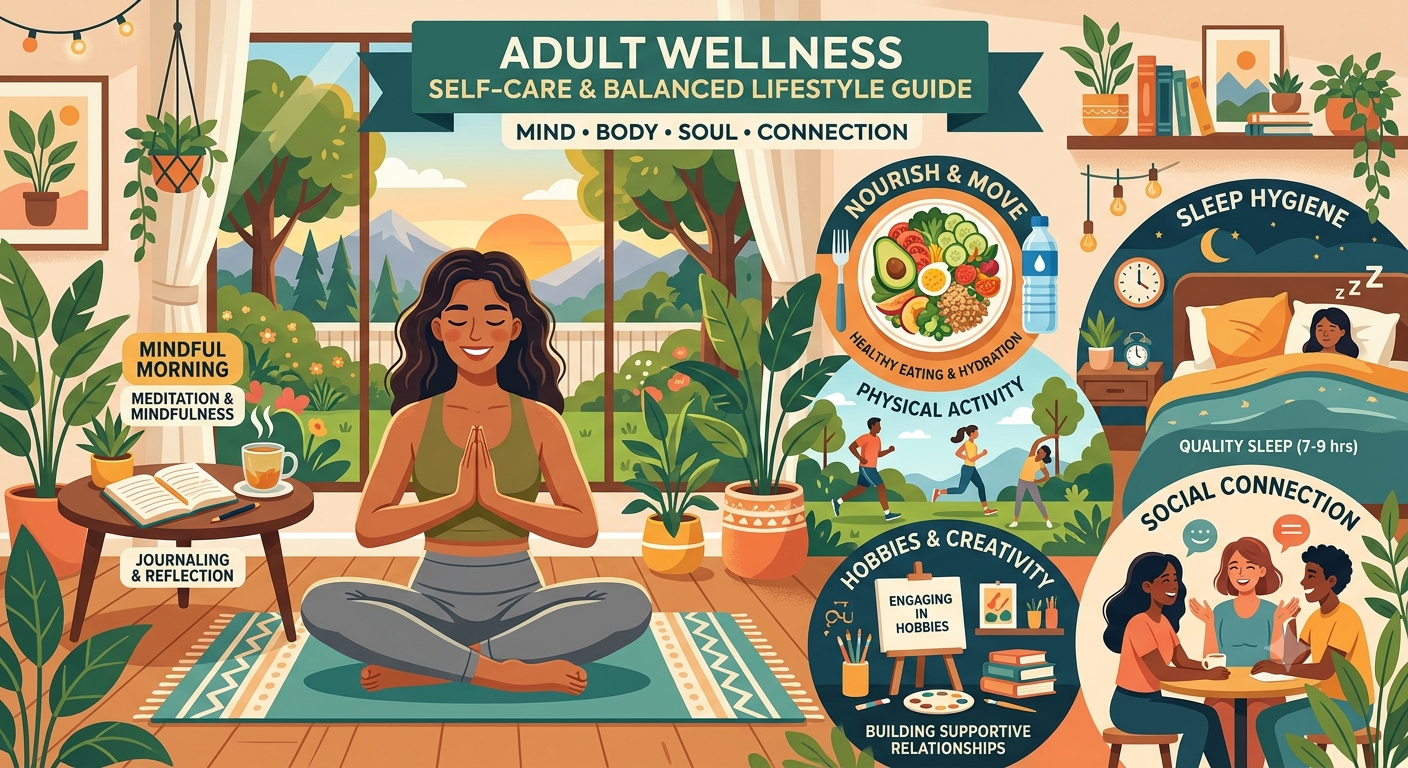
Adult Wellness: A Practical Guide to Self-Care and Healthy Boundaries
Adult wellness is about more than physical fitness. It includes emotional health, healthy relationships, personal confidence, privacy, and the ability to maintain a balanced lifestyle. As responsibilities grow, many adults find themselves prioritizing work, family, and daily commitments while forgetting their own needs.
Taking care of yourself is not selfish. It is an important part of building a healthier, more satisfying life.
In this guide, we will explore practical ways to support your well-being, create healthy boundaries, strengthen relationships, and develop everyday habits that help you feel more balanced.
1. Make Self-Care Part of Your Routine
Self-care does not have to be expensive or complicated. Small, consistent habits can make a meaningful difference to your daily life.
Consider these simple practices:
-
Get enough sleep: Maintain a consistent sleep schedule and create a relaxing bedtime routine.
-
Stay physically active: Walking, stretching, cycling, or another activity you enjoy can support physical and emotional well-being.
-
Eat balanced meals: Include a variety of nutritious foods and drink enough water.
-
Take breaks: Give yourself time away from work, screens, and other daily demands.
-
Enjoy personal interests: Reading, music, gardening, cooking, or spending time outdoors can help you recharge.
The most effective self-care routine is one that fits your lifestyle and is realistic enough to maintain.
2. Understand Your Emotional Needs
Emotional wellness involves recognizing your feelings, understanding your needs, and responding to challenges in healthy ways.
Instead of ignoring stress or frustration, try identifying what is causing those feelings. Writing in a journal, talking to someone you trust, practicing slow breathing, or taking a short walk may help you process difficult moments.
It is also important to remember that you do not need to feel positive all the time. Feeling sad, worried, disappointed, or overwhelmed is a normal part of life.
If emotional difficulties persist or interfere with everyday activities, consider speaking with a qualified mental health professional.
3. Learn to Set Healthy Boundaries
Healthy boundaries help you protect your time, energy, privacy, and emotional well-being. They also help other people understand what you are comfortable with.
Examples of healthy boundaries include:
-
Saying no when you genuinely cannot take on another responsibility.
-
Asking others to respect your personal time.
-
Keeping certain personal matters private.
-
Communicating when a comment or behavior makes you uncomfortable.
-
Taking space from conversations that become disrespectful.
Setting boundaries does not mean being rude or uncaring. It means communicating your needs clearly and treating yourself and others with respect.
Example: Instead of agreeing to every request, you could say, “I appreciate you asking, but I don't have the time to take that on right now.”
You can be kind while still protecting your limits.
4. Build Respectful and Healthy Relationships
Healthy relationships are built on trust, communication, mutual respect, and freedom to make personal choices.
Whether you are dating, married, or maintaining another kind of close relationship, both people should feel comfortable expressing their thoughts and concerns.
Healthy relationship habits include:
-
Listening without immediately judging or interrupting.
-
Discussing disagreements calmly.
-
Respecting each other's personal space and independence.
-
Being honest about expectations.
-
Accepting that partners may have different interests and opinions.
-
Taking responsibility and apologizing when appropriate.
A healthy relationship should not depend on fear, pressure, manipulation, or constant monitoring. If you feel unsafe or controlled, consider reaching out to someone you trust or a relevant support service.
5. Respect Consent and Personal Comfort
Consent and communication are important in dating and intimate relationships. Every person has the right to decide what they are comfortable with, and those decisions should be respected.
Healthy communication means asking rather than assuming, listening carefully, and accepting a person's answer without pressure. Consent should be freely given, and anyone can change their mind.
Being in a relationship does not remove the need for consent. Mutual comfort, trust, and respect matter at every stage of a relationship.
6. Protect Your Digital Privacy
Personal wellness also includes feeling safe online. Phones, messaging apps, cloud accounts, and social media may contain private conversations, personal photographs, and sensitive information.
A few practical privacy habits can help:
-
Use a strong, unique password for important accounts.
-
Enable two-factor authentication where available.
-
Review app permissions and account privacy settings.
-
Avoid sharing private photos or personal information under pressure.
-
Be cautious about suspicious links, messages, and unexpected login alerts.
-
Review who can see your social media posts and personal details.
-
Keep your phone and apps updated.
Before sharing an intimate or sensitive image, consider the risks carefully. Once an image has been shared, you may lose control over how it is saved, copied, or distributed. Never share another person's private images without their explicit permission.
Digital boundaries are just as important as boundaries in everyday relationships.
7. Find a Healthy Balance Between Work and Personal Life
Constant availability can leave adults feeling exhausted. A healthier balance involves making room for rest, relationships, personal interests, and responsibilities without expecting yourself to do everything perfectly.
Try setting a time to stop working, limiting unnecessary notifications, scheduling activities you enjoy, and protecting some screen-free time.
You do not have to be productive every moment of the day. Rest is a normal and valuable part of a balanced life.
8. Take Sexual and Reproductive Health Seriously
Sexual wellness is a normal part of adult health for many people. It includes understanding your body, making informed choices, communicating with partners, and seeking reliable health information.
Useful habits include learning about contraception and sexually transmitted infection (STI) prevention, attending appropriate health checkups, and discussing concerns with a qualified healthcare professional.
Avoid relying on unverified social media advice or products that promise unrealistic results. If you have concerns about sexual health, a qualified clinician can help you understand your options without judgment.
Everyone's needs and circumstances are different, so wellness decisions should be informed, voluntary, and appropriate to the individual.
9. Reduce Unhealthy Digital Habits
Spending too much time online can sometimes interfere with sleep, relationships, concentration, and relaxation.
You can build healthier digital habits by:
-
Turning off nonessential notifications.
-
Avoiding endless scrolling before bedtime.
-
Taking regular breaks from social media.
-
Unfollowing accounts that consistently make you feel anxious or inadequate.
-
Making time for face-to-face conversations and offline activities.
The goal is not to avoid technology completely. It is to use it intentionally instead of allowing it to control your time.
10. Create a Personal Wellness Plan
You do not need to change everything at once. Start with a few manageable steps and adjust them as your needs change.
Here is a simple weekly wellness checklist:
-
Set aside time for physical activity.
-
Make time for adequate sleep and rest.
-
Check in with your emotional well-being.
-
Communicate one personal boundary clearly.
-
Spend quality time with someone you trust.
-
Review your digital privacy settings.
-
Make time for an enjoyable activity.
Choose the habits that are most useful to you. Consistency is more important than perfection.
Frequently Asked Questions
What does adult wellness mean?
Adult wellness is a broad approach to well-being that includes physical health, emotional balance, relationships, personal boundaries, sexual health, and digital safety.
Why are healthy boundaries important?
Boundaries help people communicate their needs, protect their time and privacy, and develop more respectful relationships.
How can I improve my emotional well-being?
Start with manageable habits such as regular sleep, physical activity, journaling, social connection, relaxation, and seeking professional support when needed.
How can adults protect their privacy online?
Use strong passwords, enable two-factor authentication, review privacy settings, avoid suspicious links, and think carefully before sharing sensitive information.
Is self-care selfish?
No. Reasonable self-care helps you recognize your needs and maintain a healthier balance between personal responsibilities and your own well-being.
Final Thoughts
Adult wellness is an ongoing process, not a destination. It involves taking care of your body, understanding your emotions, building respectful relationships, setting healthy boundaries, and protecting your privacy.
Start with one small change today. Whether you choose to improve your sleep, communicate more clearly, spend less time online, or make more room for personal interests, small steps can help you build a more balanced lifestyle over time.